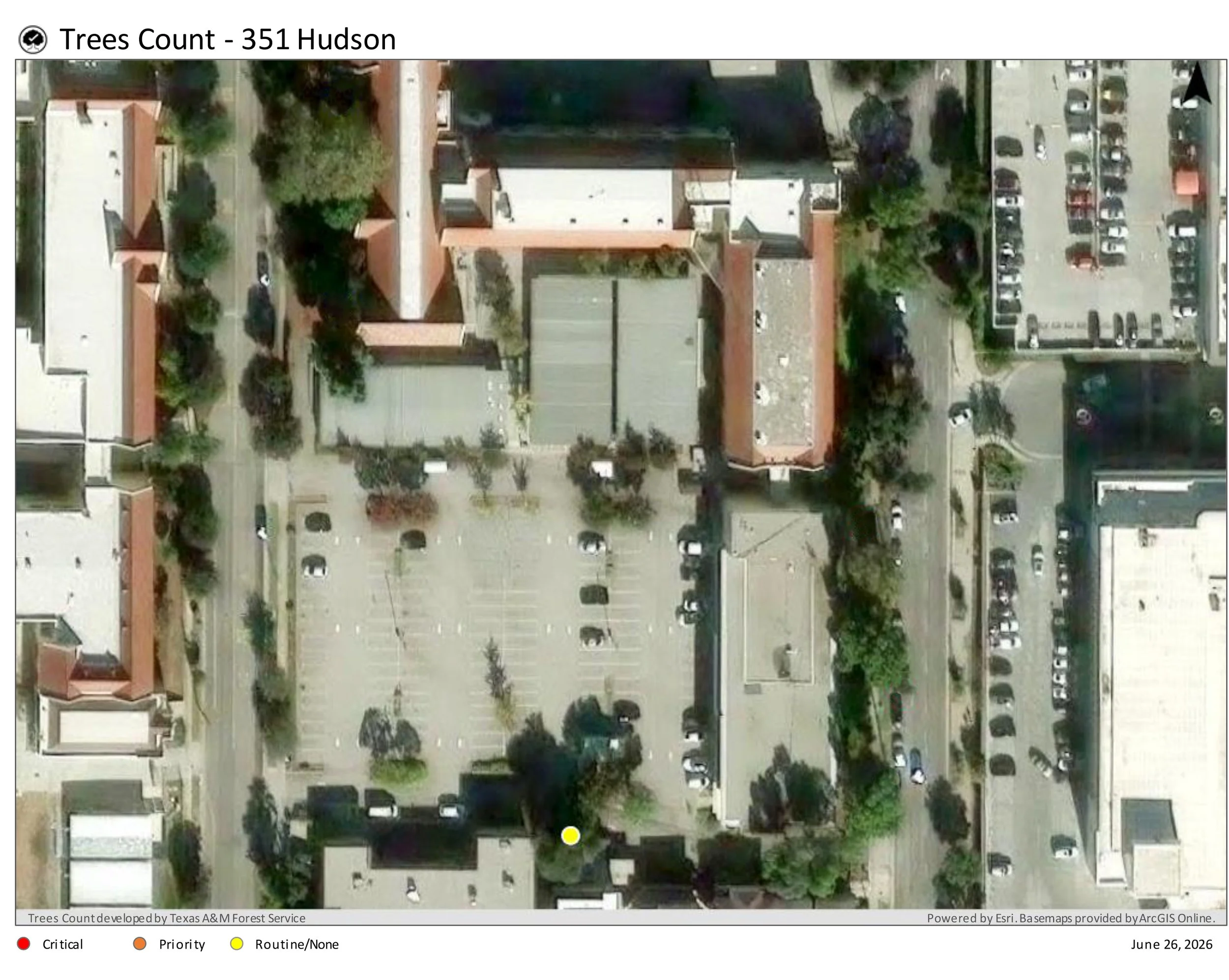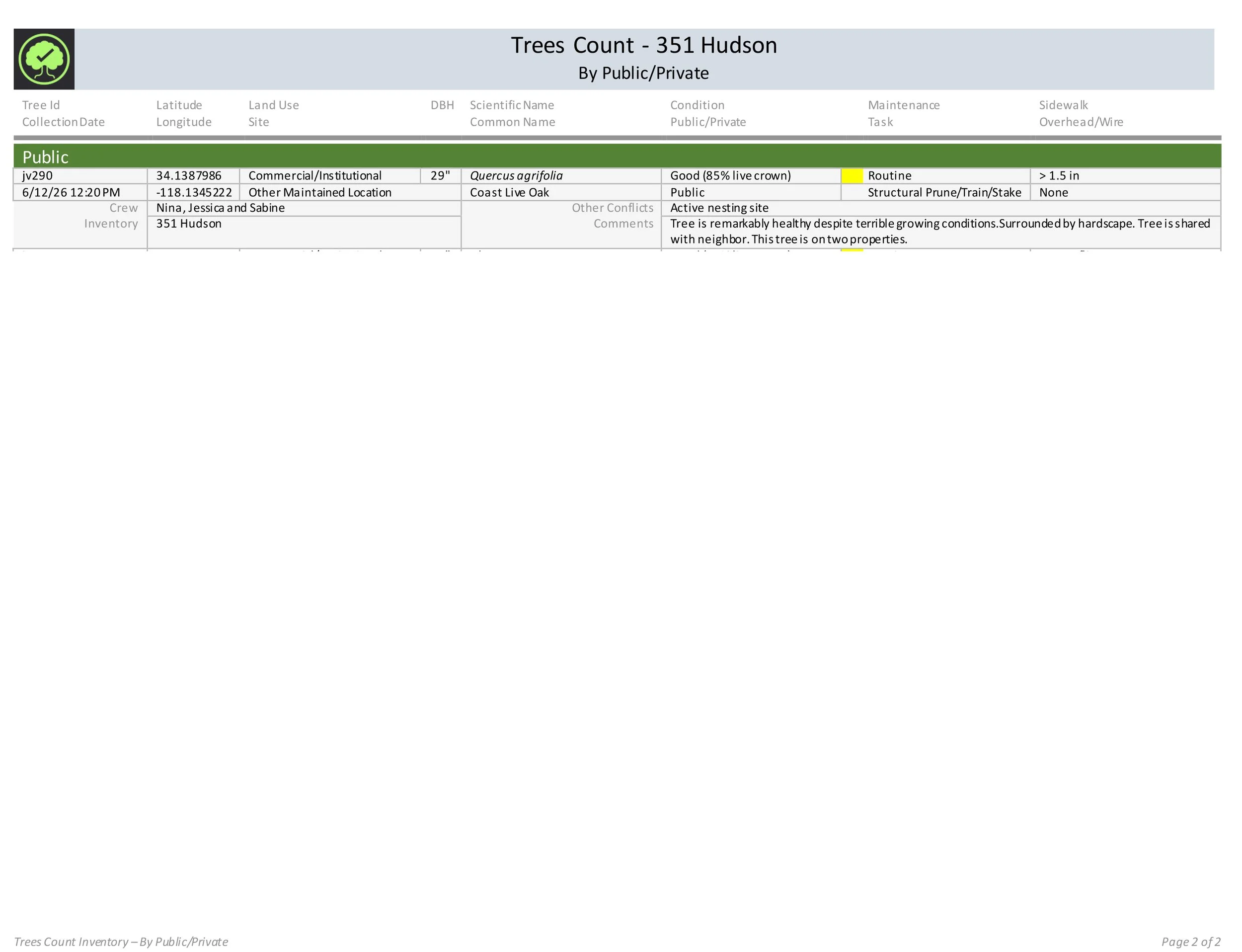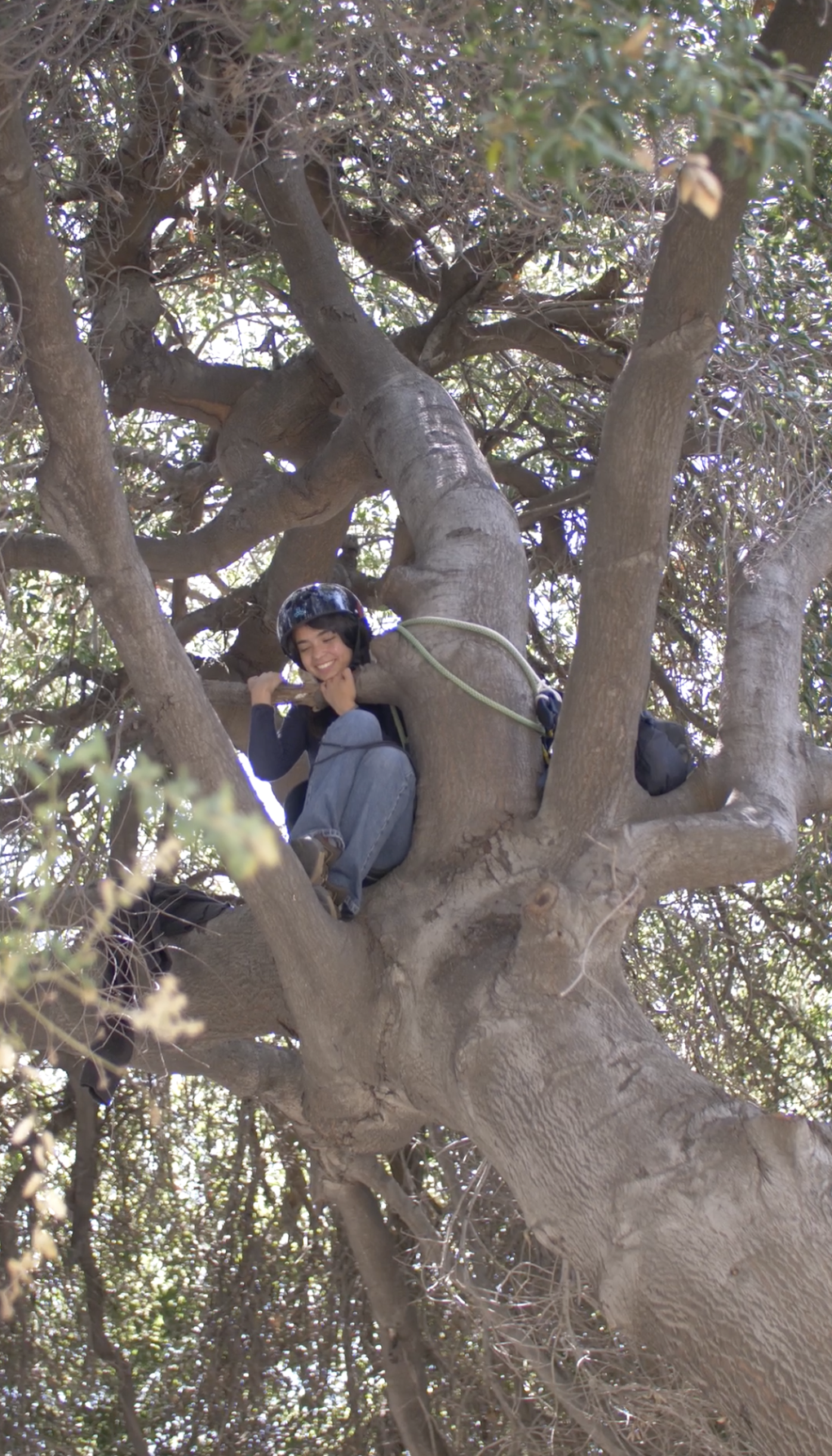
“Mary,” Coast Live Oak
As a human race we have lost touch with a language we were once fluent in:
The language we share with nature.
Is it that mother nature has lost her booming voice of warning? Or is it that we have lost the ears to listen?
This is why it’s so hard to describe Mary
As I feel like she can only be described through a language that we have lost.
—Paloma Muñiz-Ochoa
About Coast Live Oaks
Quercus agrifolia
The Coast Live Oak (Quercus agrifolia) is an iconic, majestic tree that serves as a cornerstone for wildlife and the surrounding ecosystem. It is easily-recognized by its gnarled branches and grand canopy. The Coast Live Oak flowers each spring and its acorns attract a wide variety of birds and butterflies - over 270 species rely on these trees for habitat and food.
With its rich green foliage and unique branching pattern, the Coast Live Oak is a favored choice for both residential and commercial landscapes. These resilient trees can live for centuries, often surpassing 250 years, and can grow impressively tall, reaching mature heights ranging from 30 to 80 feet.
It is one of the only California native oaks that thrives in coastal environments, it enjoys fog and mild winters. In the first year after planting, water once a week. Then, reduce it to once a month until it reaches about 10 feet tall. After that, avoid watering directly during summer.
Coast Live Oaks like to have their roots shaded. When they're young, surround them with mulch, rocks, or smaller native plants. Some California natives, such as Toyon and Manzanitas, do well as "understory" plants under the Coast Live Oak. Fallen oak leaves provide natural mulch for the tree. Don't fertilize oaks. They'll amend the soil over time with their own leaves and build the natural mycorrhizal fungus in the soil they need to thrive. Gradually, they become islands of natural fertility that improve the health of the nearby plants.
Who else relies on Mary?
California Towhees, Squirrels, Pallid Bat, Polyphemus moth, Brown Bat, Fruit-tree Leafroller Moth, Raccoons, Orange Tortrix Moth, Oak Winter Highflier Moth, Opossums, Western Tent Caterpillar, California Oak Moth.
View the arborist report