
Project overview
What is the issue at hand?
1
In an effort to remediate contaminants found in the soil of Pasadena’s schools in May 2025, Pasadena Unified School District (PUSD) has opted to scrape soils at schools across the district. As part of this project, the district is also removing 193 trees. While the health and safety of students, staff, and families is crucial, there is simply no science that supports tree removal for soil remediation. In fact, trees can actually help sequester heavy metals in soil.
Join us in advocating for our nonhuman neighbors.
How did we get here?
2
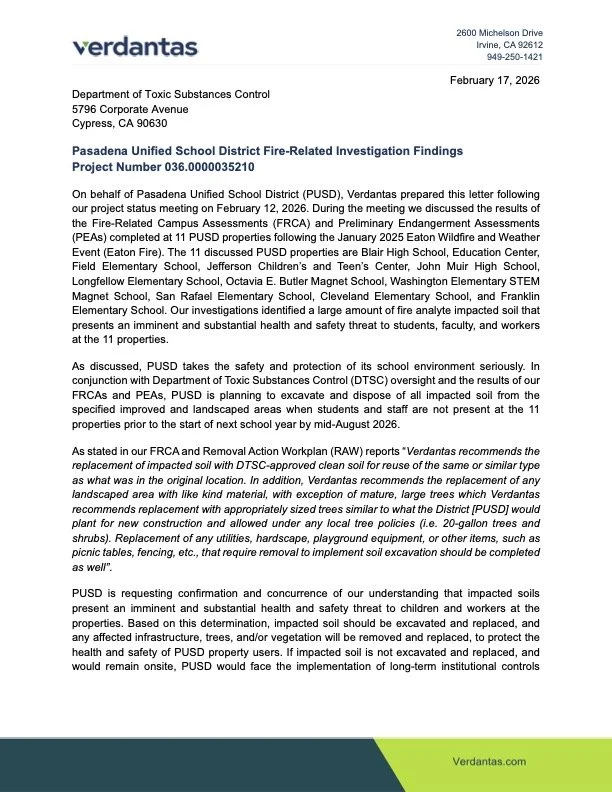
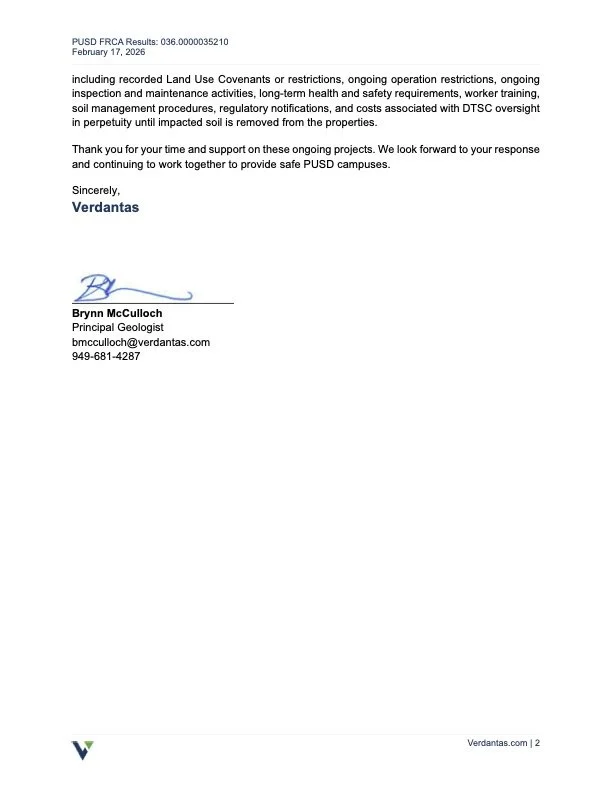
PUSD consulted with Verdantas (a private environmental consultant) to test soils and structure a DTSC approved approach. While PUSD was given several options, they opted to take out trees across Pasadena school campuses. The language used by Verdantas likely triggered the district to include tree removals in the soil removal project.
What is the current status of the project?
3
Initially, in response to the city revoking its permission for PUSD to cut down protected trees in an attempt to address a public health emergency, PUSD has stated that they will “explore the possibility” of sparing 57 of the total 193 that are intended to be removed. These are the trees legally protected by the city of Pasadena’s Tree Protection Ordinance.
However, in a July 16th meeting, the district voted to exempt themselves from the Tree Protection Ordinance, allowing them to remove any trees without permits or fines.
Over 100 trees are still slated for removal.
Primary issues
-
Pasadena has a robust Tree Protection Ordinance to protect the urban canopy both public and private trees. Initially, the city of Pasadena believed an exemption to the Tree Protection Ordinance applied. However, upon closer review the ordinance does indeed apply. The city informed PUSD requesting further documentation and requiring an arborist review of the trees. This created a halt to removals. On July 1, 2026 four trees were removed in violation of Pasadena’s ordinance. Code Compliance officers from the city arrived and in a shocking response the PUSD escorted them off the site insisting the district is exempt from local law. The city posted “Stop Work” Orders on school sites but the district has not committed to comply.
-
The community meeting held on April 16, 2026 was presented to the public as a soil remediation project. Tree removal was mentioned only in passing, with no specificity as to which trees would be removed, how many, at which of the 11 sites, on what timeline, or on what environmental basis. A map purportedly identifying trees slated for removal was posted in late May 2026. This means the only public forum held on this project contained none of the tree removal specifics that were apparently already being planned. The community was never given the opportunity to review, respond to, or formally comment on that information in any meaningful way.
The volume of community opposition - over 300 contacts to DTSC in a single day from residents who were apparently unaware of the scope of these removals - speaks for itself.
-
An independent certified arborist retained by community members was on-site today conducting a systematic review of the trees on DTSC and PUSD's removal list. That review has already identified irregularities in the DBH (diameter at breast height) measurements recorded on the official removal list. Those measurements are currently being verified and cross-checked against the arborist's independent findings.
This is not a minor recordkeeping concern. DBH is the standard arboricultural measurement used to determine whether a tree meets the threshold for protected status, required permits, and mitigation requirements under applicable municipal, state, and environmental regulations. Trees above 22” DBH have more protections than smaller, younger trees. Manipulating these measurements constitutes deliberate misrepresentation in a public regulatory process.
-
We were able to save an Aleppo Pine by sitting on the sidewalk, which is public property, preventing construction crews from completing the work.
An active bird's nest has been discovered in this tree, and in at least one other tree onsite. Depending on the species, this activity may constitute violations of the Migratory Bird Treaty Act (16 U.S.C. §703), which prohibits destruction of active nests of migratory birds at the federal level, as well as California Fish & Game Code §3503, which prohibits destruction of active bird nests, and California Fish & Game Code §3503.5, which specifically protects birds of prey, their nests, eggs, and young.
-
We acknowledge that DTSC obtained a Notice of Exemption (NOE) for this project under an emergency exemption claim. However, that NOE does not authorize the tree removal activities:
First, the emergency exemption invoked by DTSC is legally narrow. It applies only to actions that are directly necessary to prevent or mitigate the stated emergency - in this case, contaminated soil. Tree removal is not necessary to remediate soil. Trees can be preserved, worked around, or addressed separately through a properly noticed process.
Second, no arborist report, tree impact study, or tree-specific environmental analysis has ever been produced, published, or made available for public review in connection with this project. The absence of any such documentation is itself a violation of DTSC's obligations under CEQA and its own remediation guidance.
Tree removal at these sites is therefore acting outside the scope of the existing NOE and constitutes an unauthorized project action.
-
While the district states it will replace all trees 1:1, mature trees are not replaceable. They take decades to provide canopy and habitat. 1:1 replacement is a myth. The young trees (trunks about the diameter of a quarter) replanted won’t provide the benefits of the most mature trees removed within students’ lifetime.
-
After public outcry, press coverage, viral social media coverage and board meetings packed with upset community members and scientists outlining and pleading for a better way, the Board passed a motion to “explore alternatives” with a long list of exceptions. This motion provided the optics of compromise and preservation but offered zero assurance that even a single tree would be spared.
-
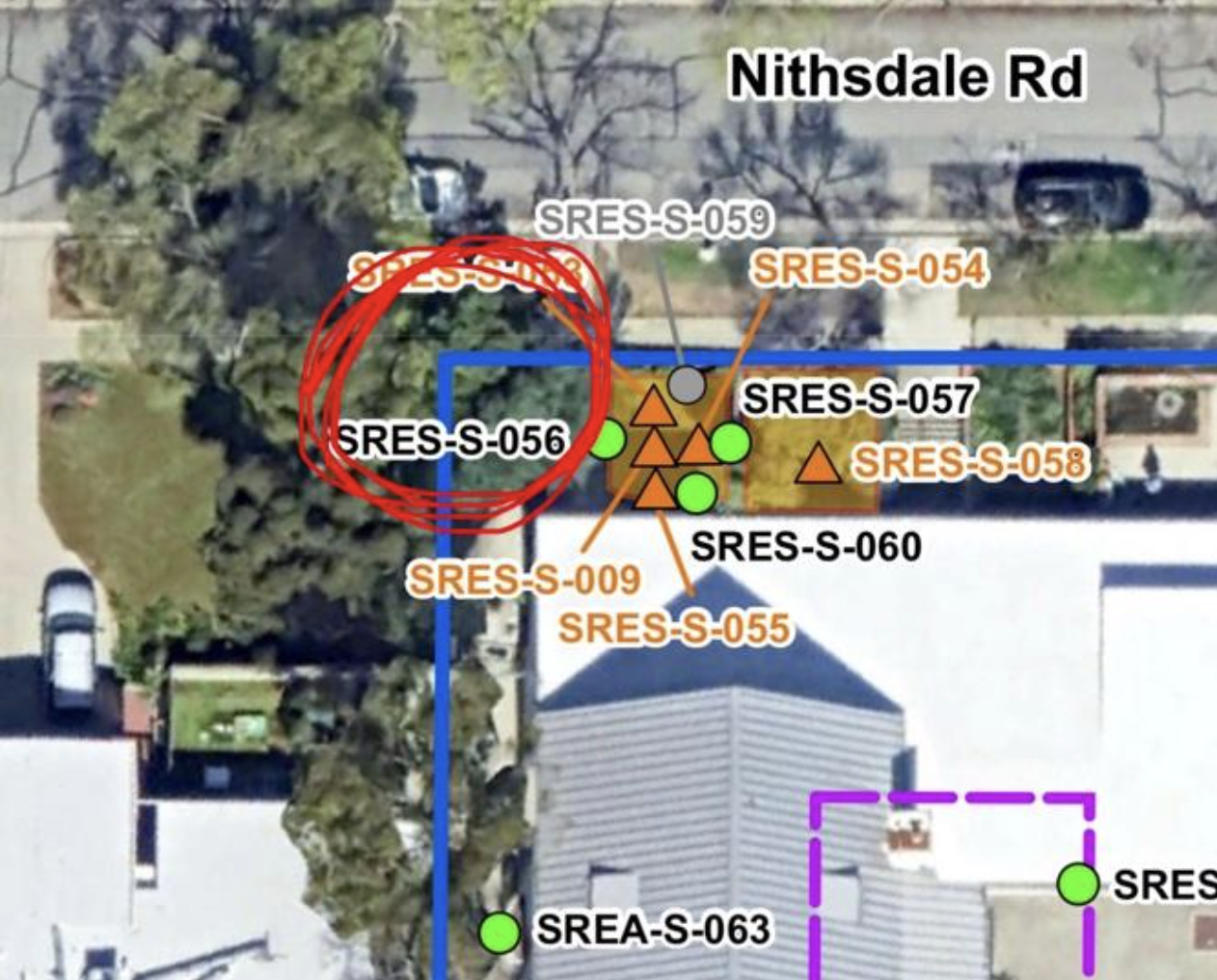
The orange zones (see Exhibit A below) designate where contaminants were found. However, there are several instances where a tree on the removal list is outside of the contamination area (circled in red). There are trees slated for removal where a single over the limit test was collected. Or a tree over 30’ away from an elevated test is being removed without closer testing to verify.
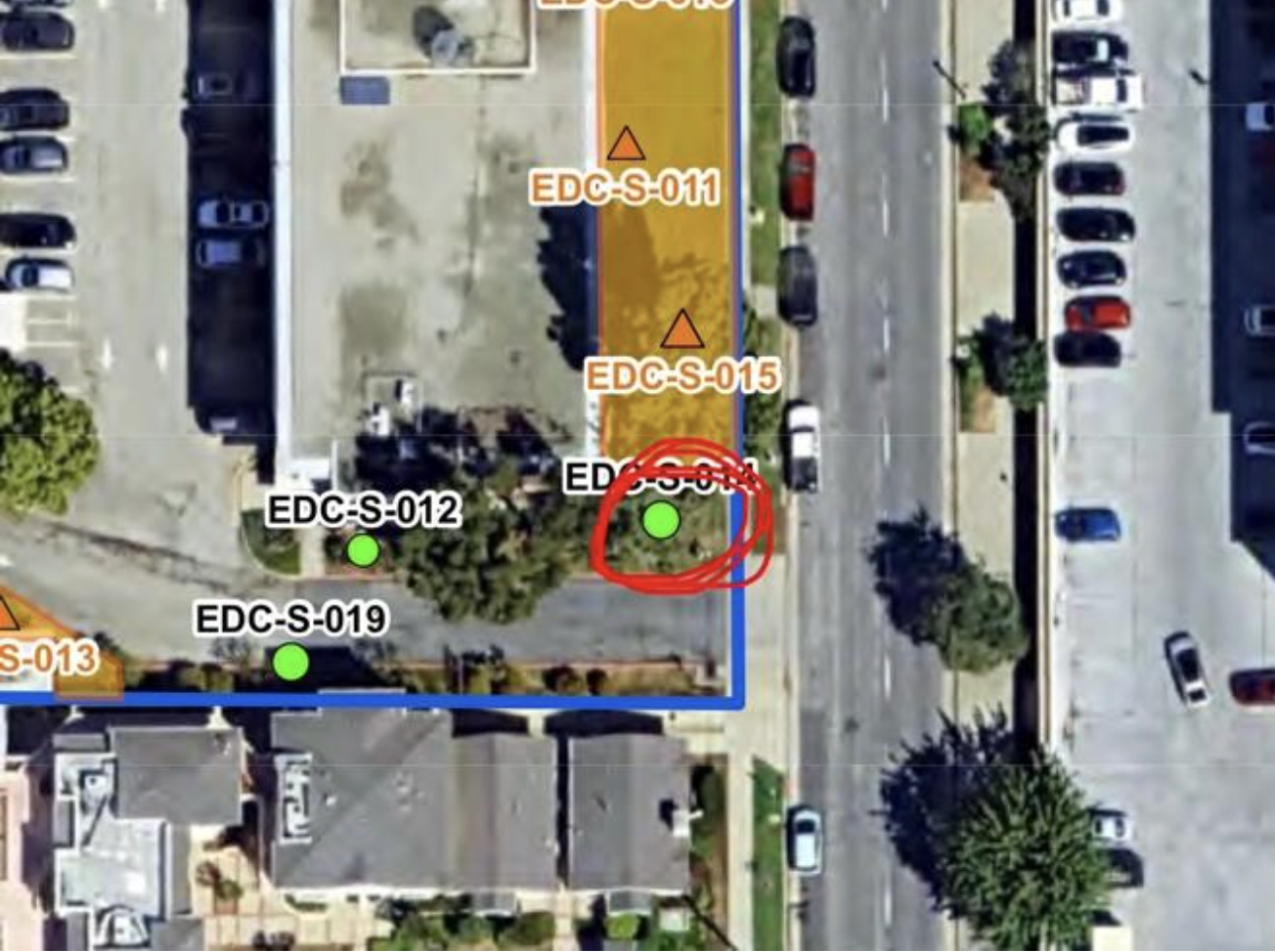
Exhibit A
Press
-
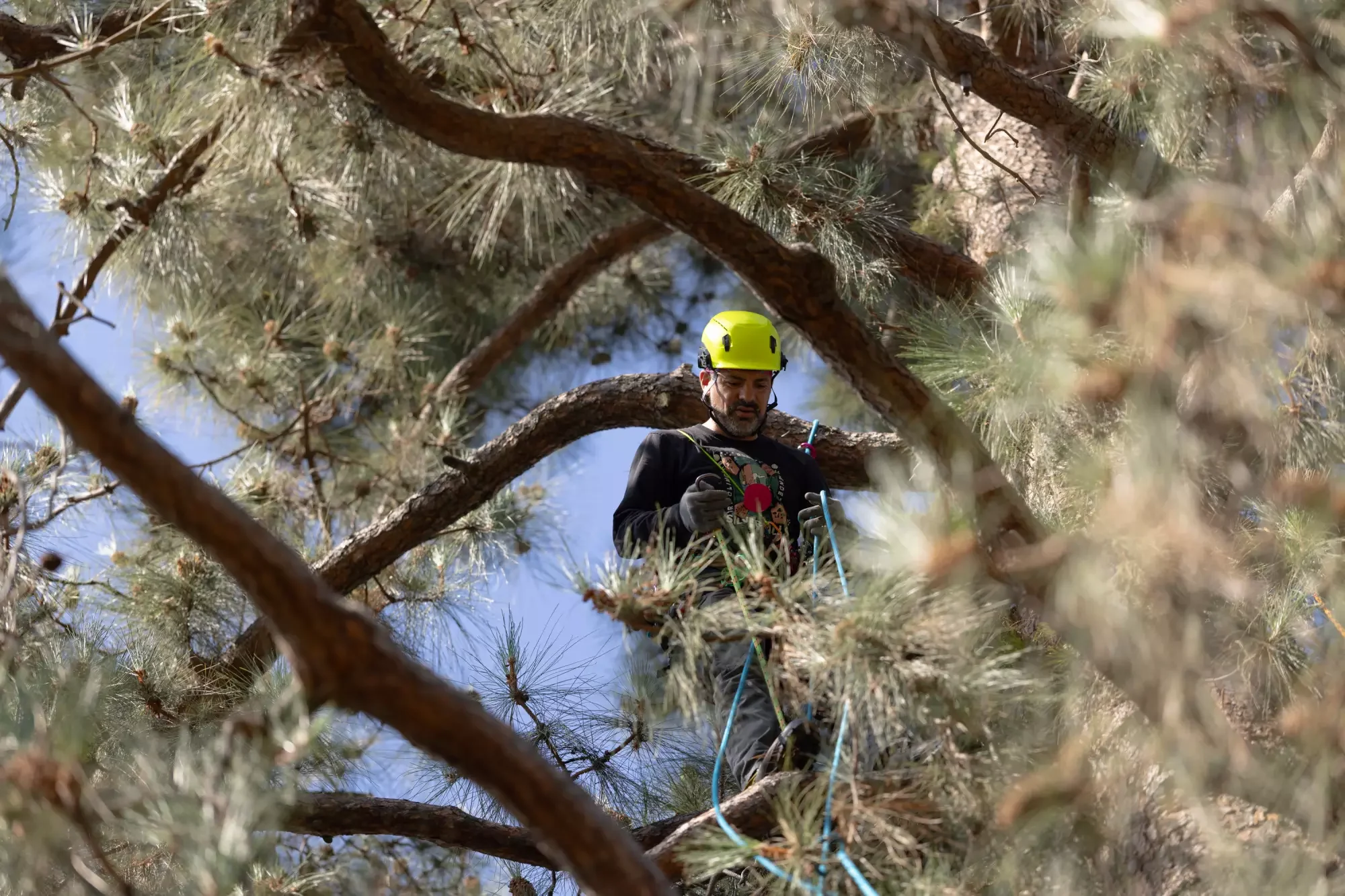
Protests and lawsuits: Activists climb pine amid showdown over Pasadena school district’s tree removals
LA Times
-
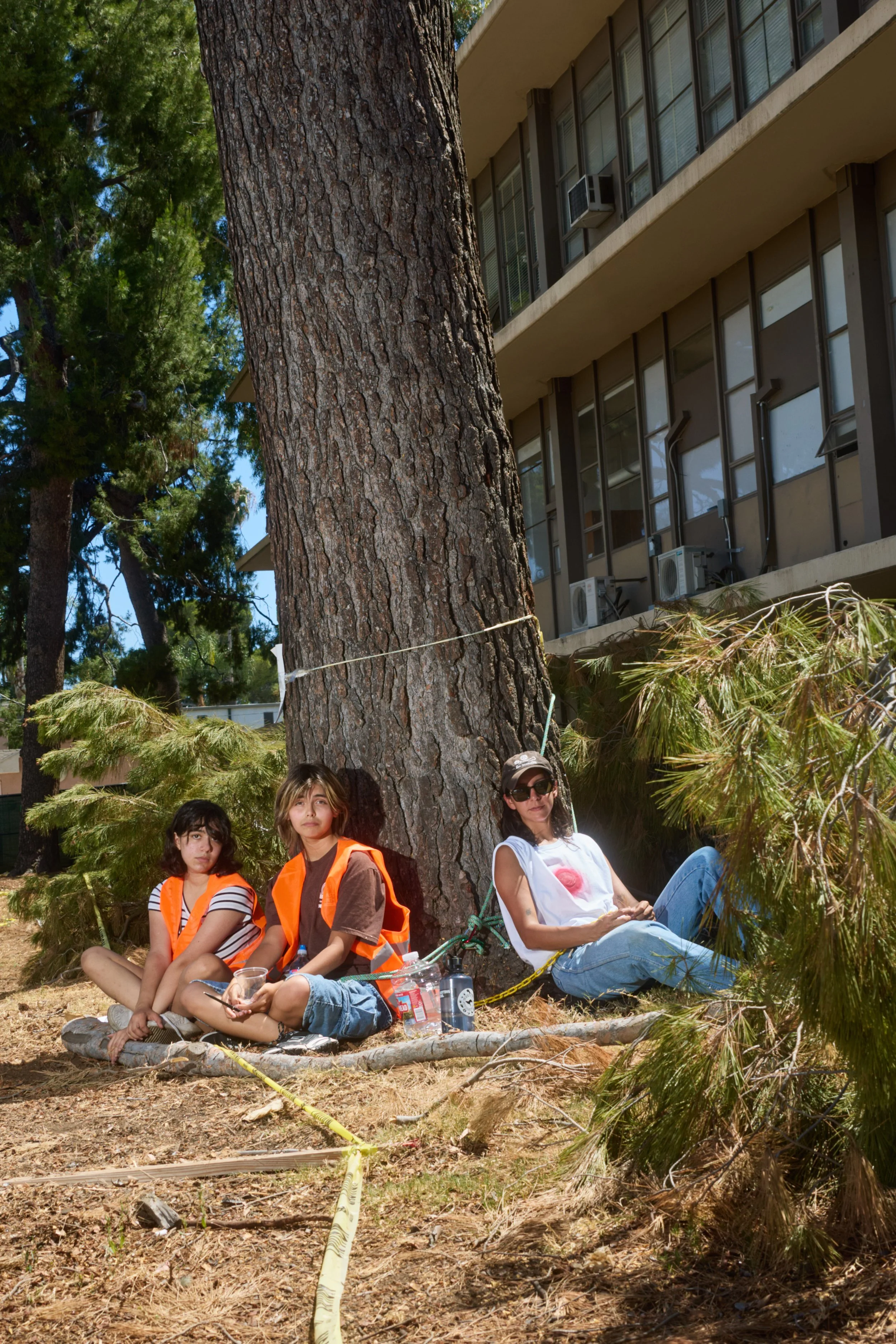
Teens are chaining themselves to trees to fight a California school district
Washington Post
-
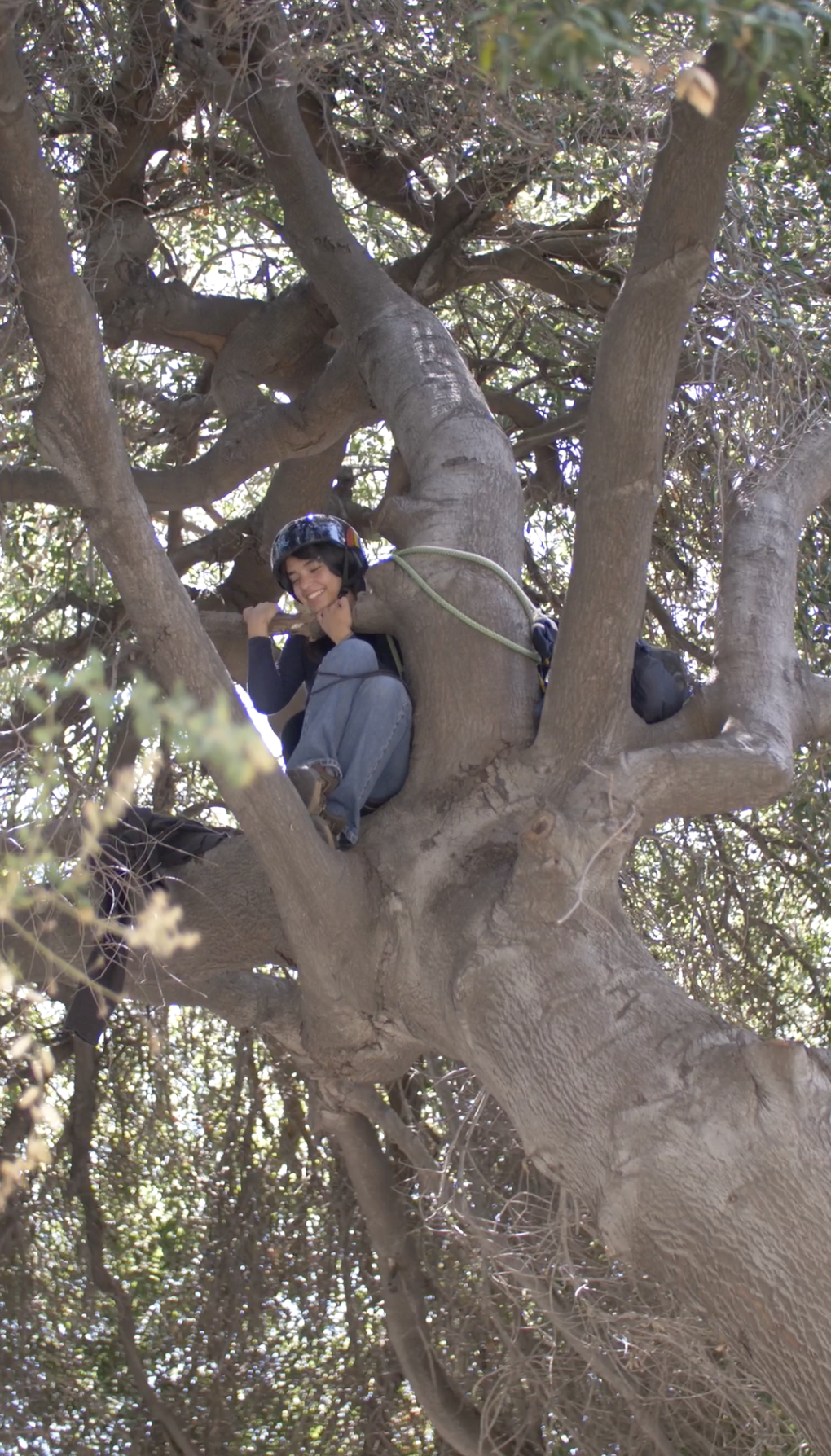
Pasadena teen sits in tree for 8 hours to protest planned removal of 200 trees
ABC7
-
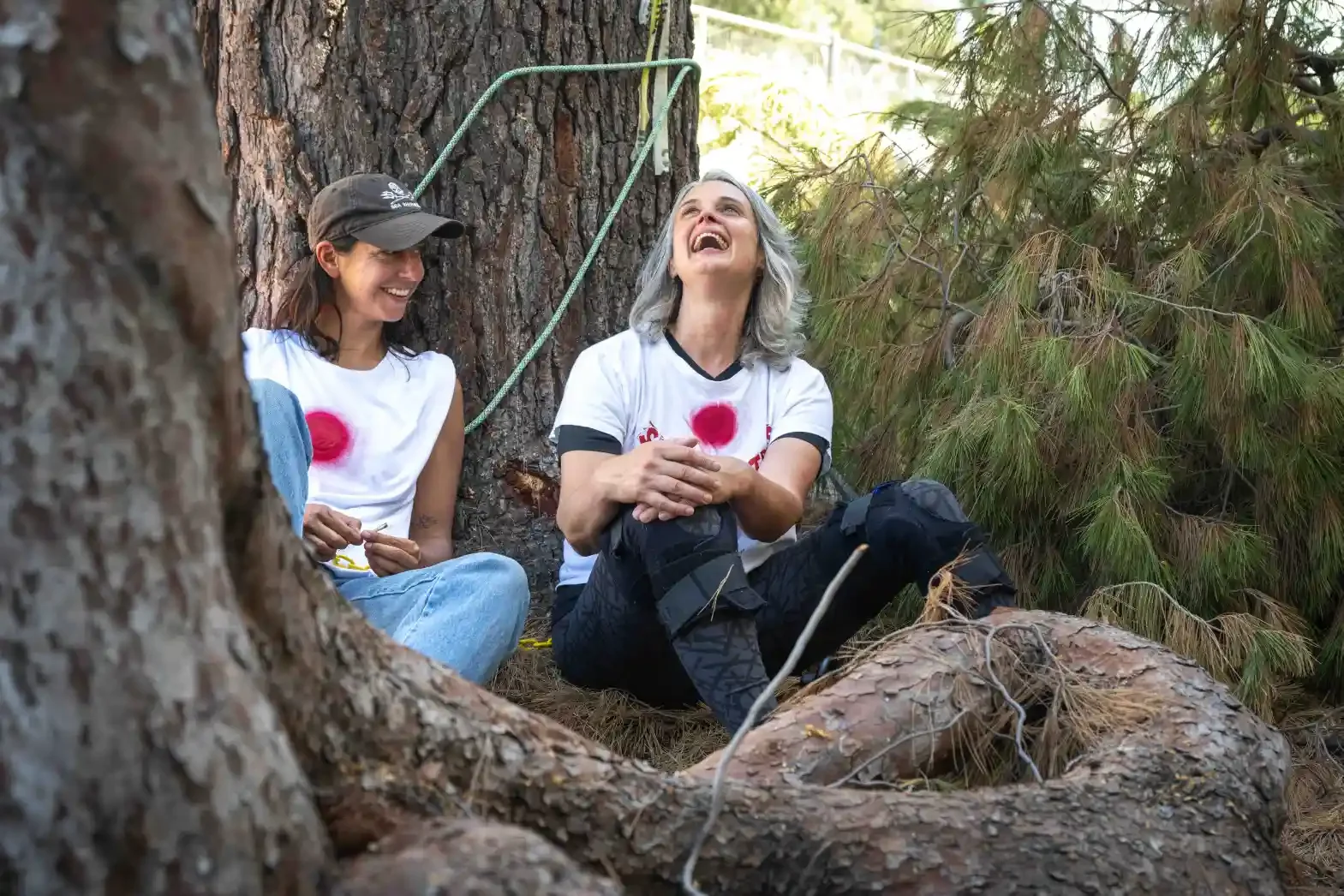
Activist Julia Butterfly Hill visits Pasadena with a message: Stand strong against PUSD tree removals
Pasadena Star
-
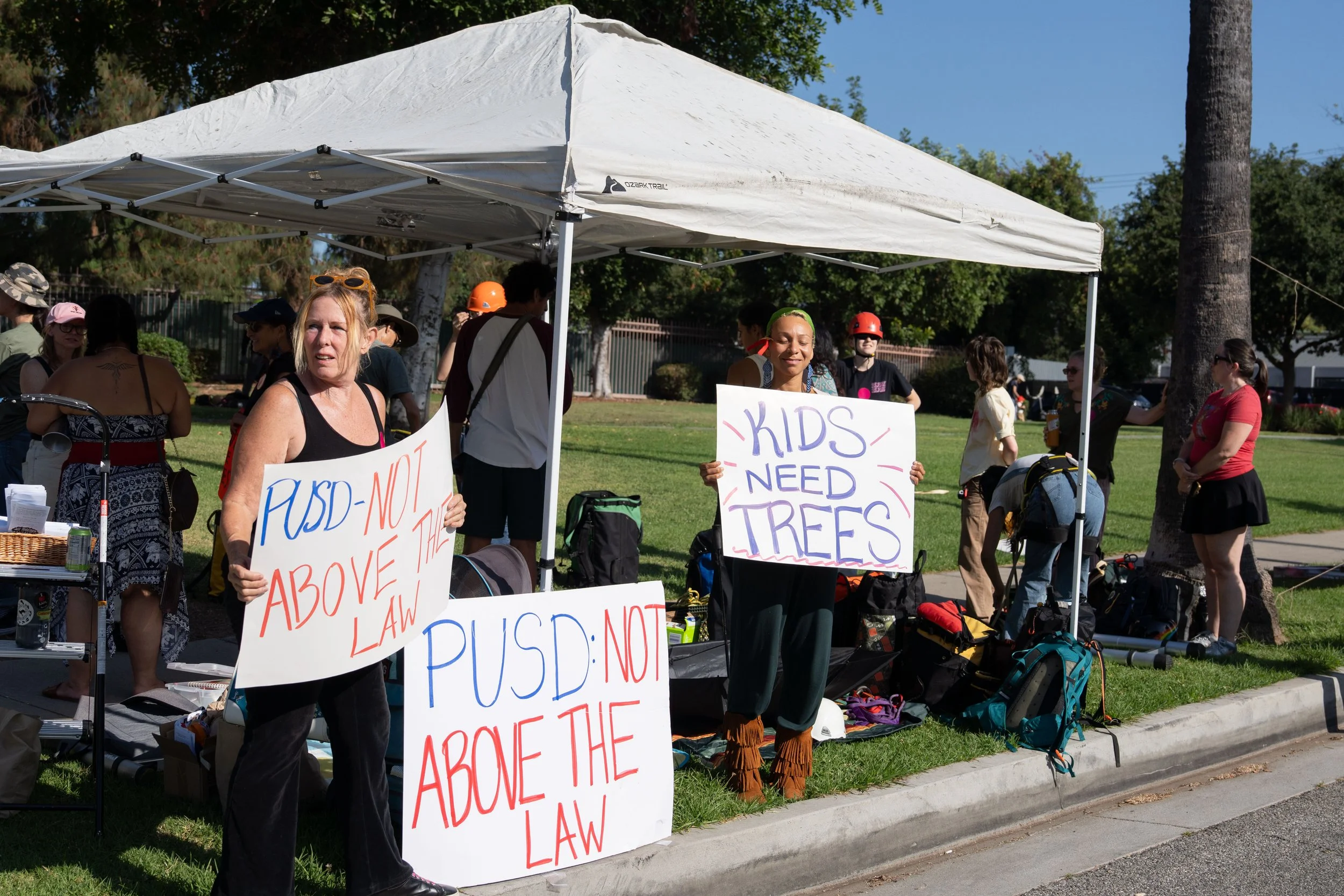
Pasadena Tree War: City Eyes Legal Showdown With School District As Protests Surge
Hoodline LA
-
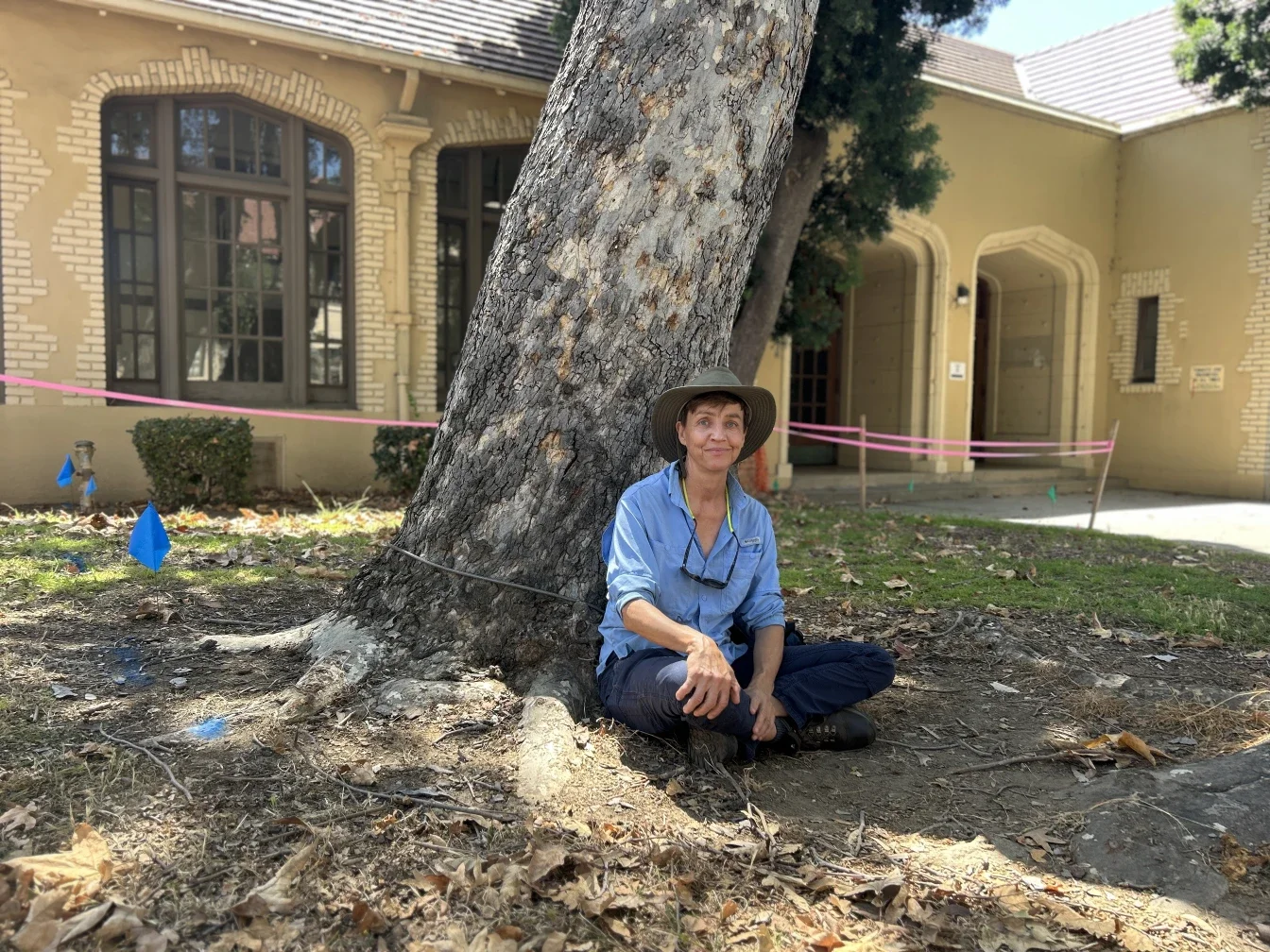
Pasadena Unified's plan to cut down nearly 200 trees angers residents
LAist
-
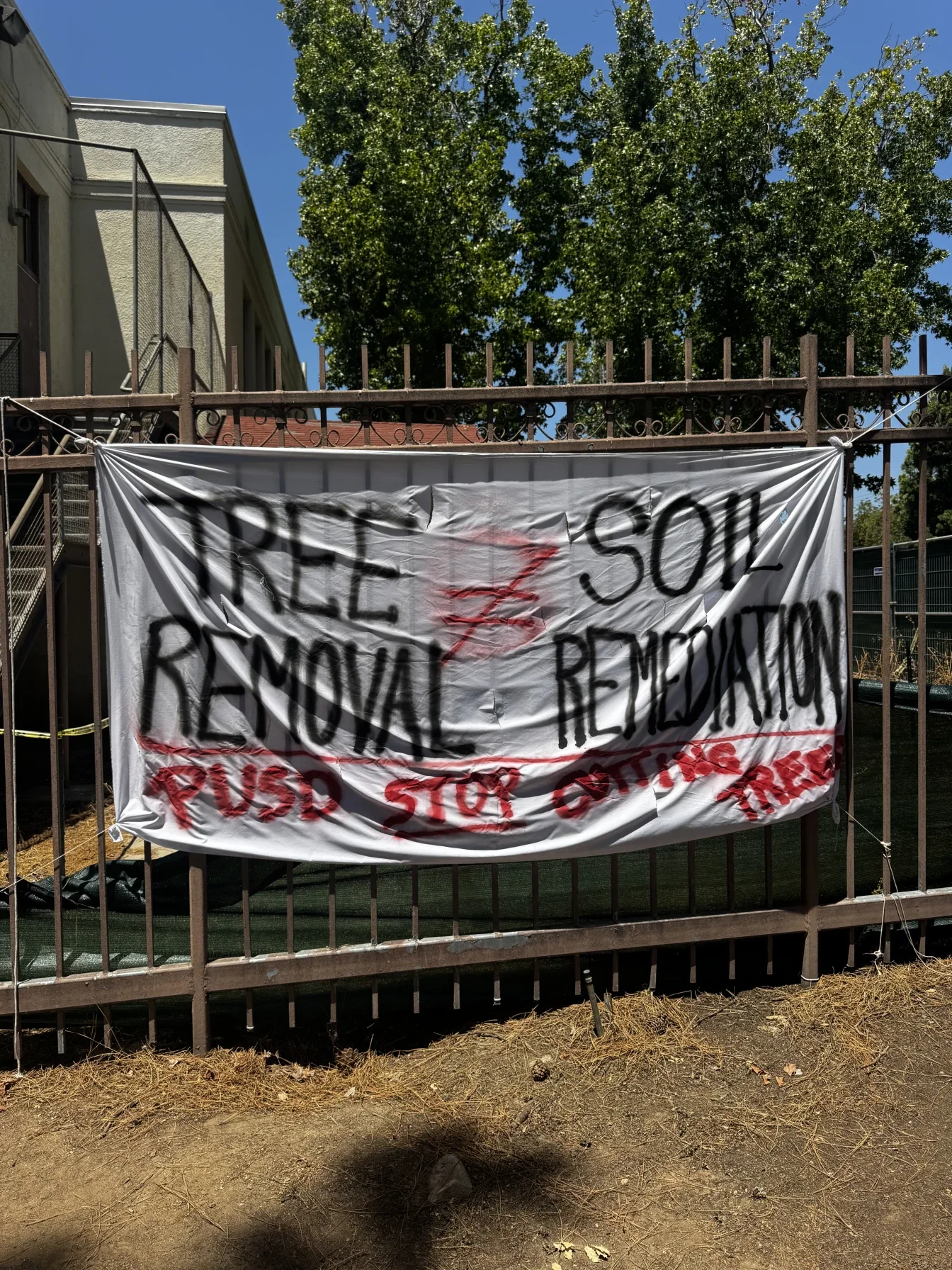
Pasadena school district and city clash over tree removal
LAist
-
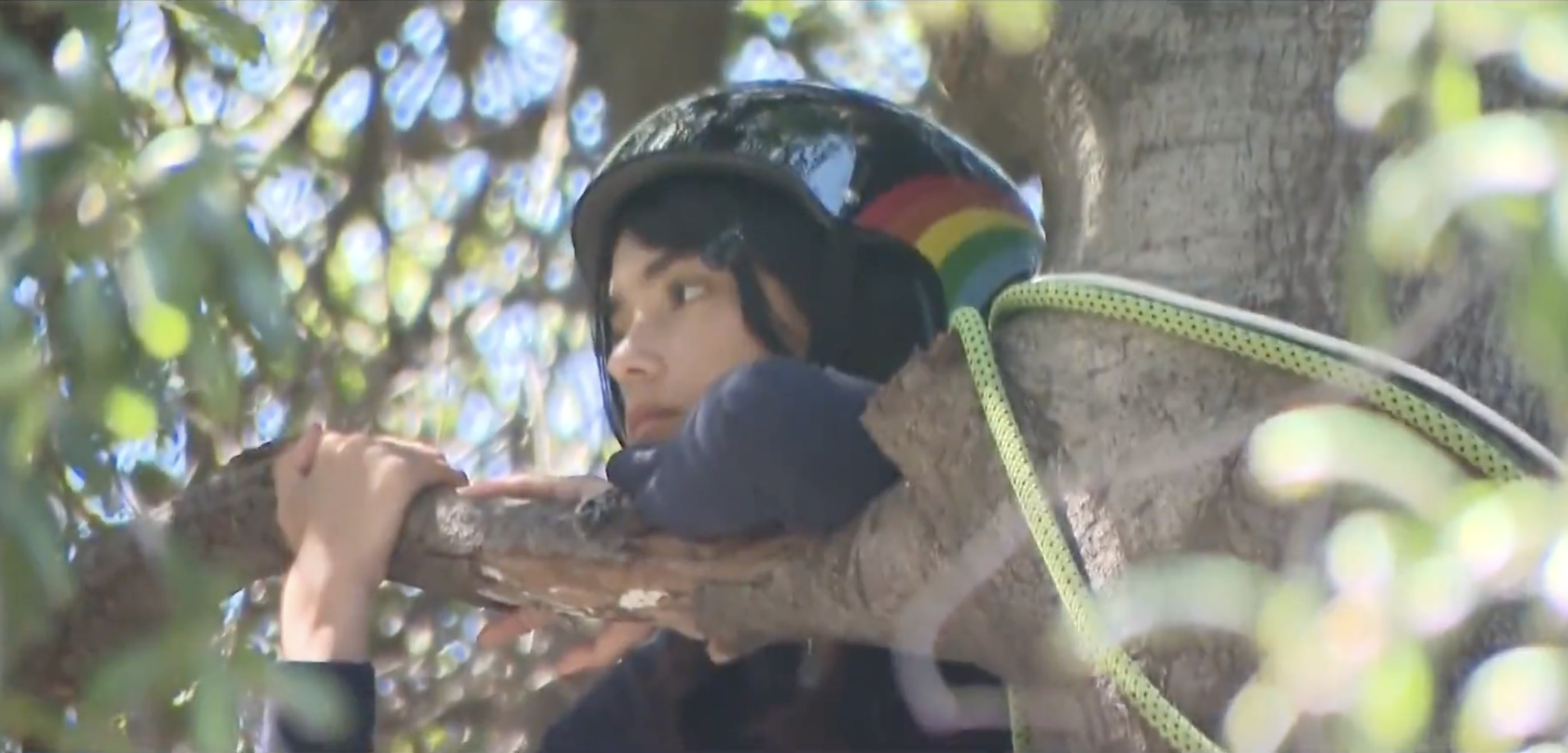
Advocates try to stop Pasadena Unified from cutting down trees
CBS
-
Pasadena community defies school district as protected Oaks keep falling
Local News Pasadena
-
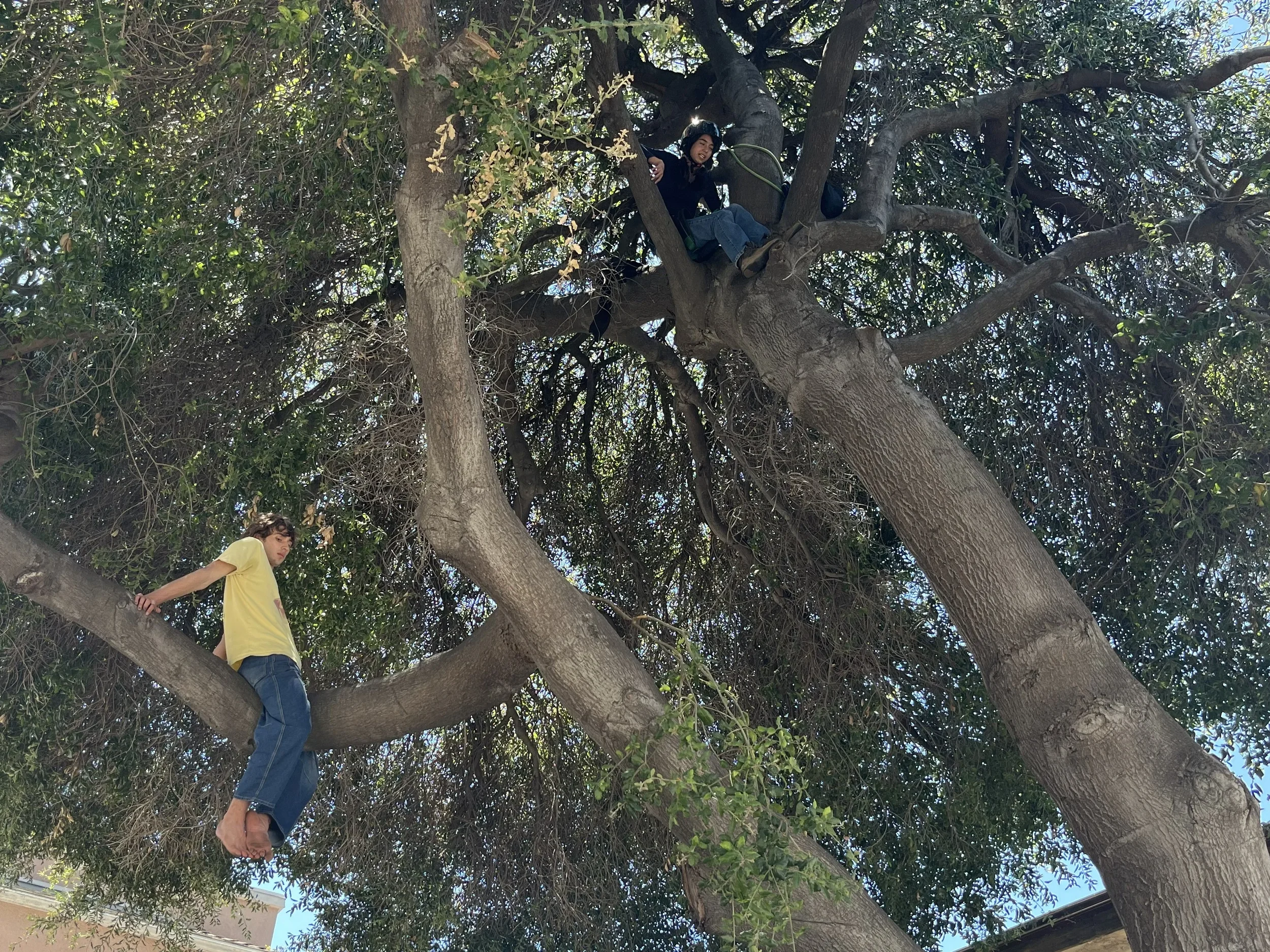
Pasadena plan to remove dozens of trees sparks fury
KCRW
-
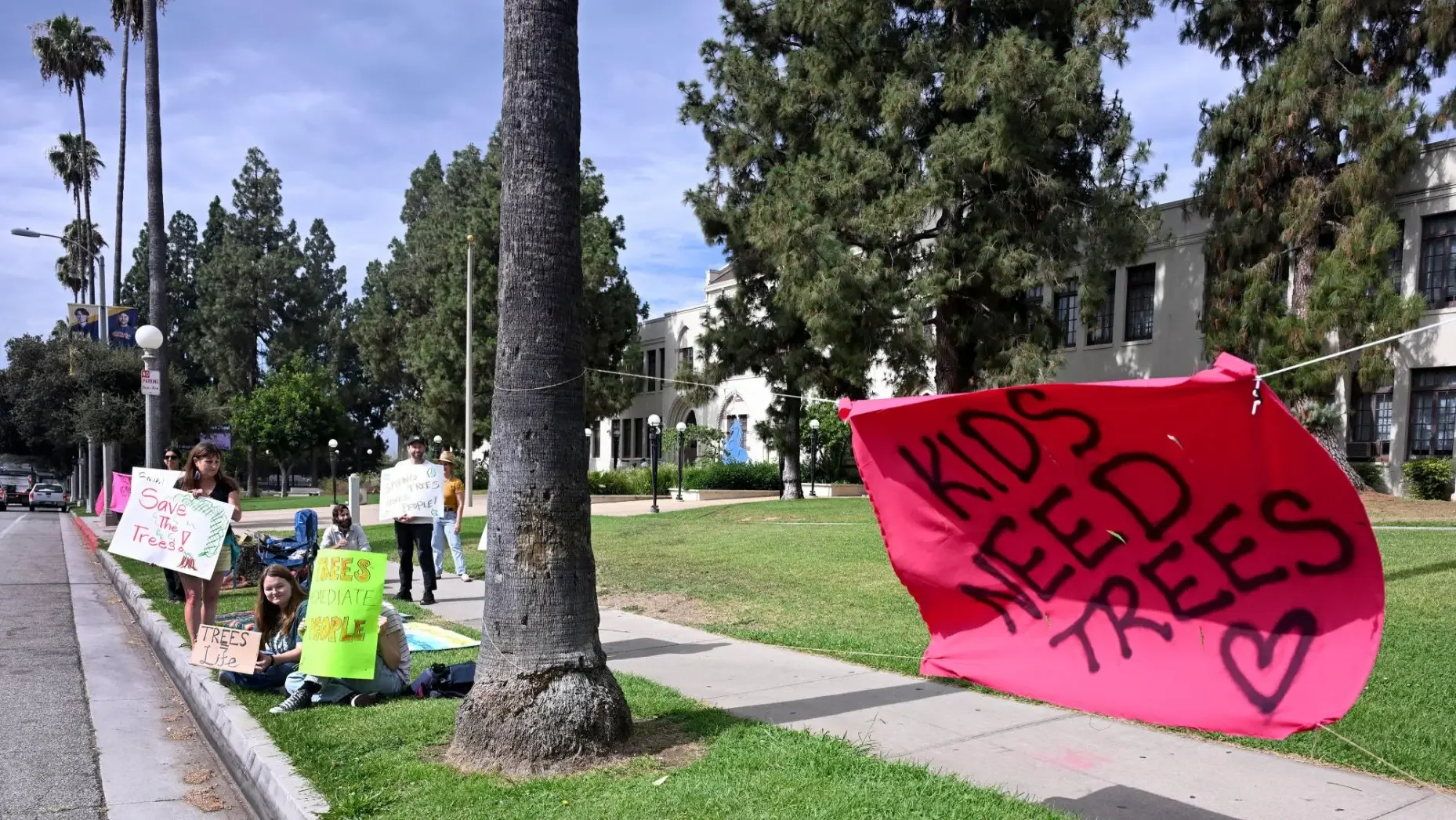
Tree advocates return as city of Pasadena considers litigation over school district's soil cleanup plan
Pasadena Star
-
She lived in a redwood tree for 738 days. Pasadena Unified's tree removals have her attention
Pasadena Star